
A Book That Sees Differently
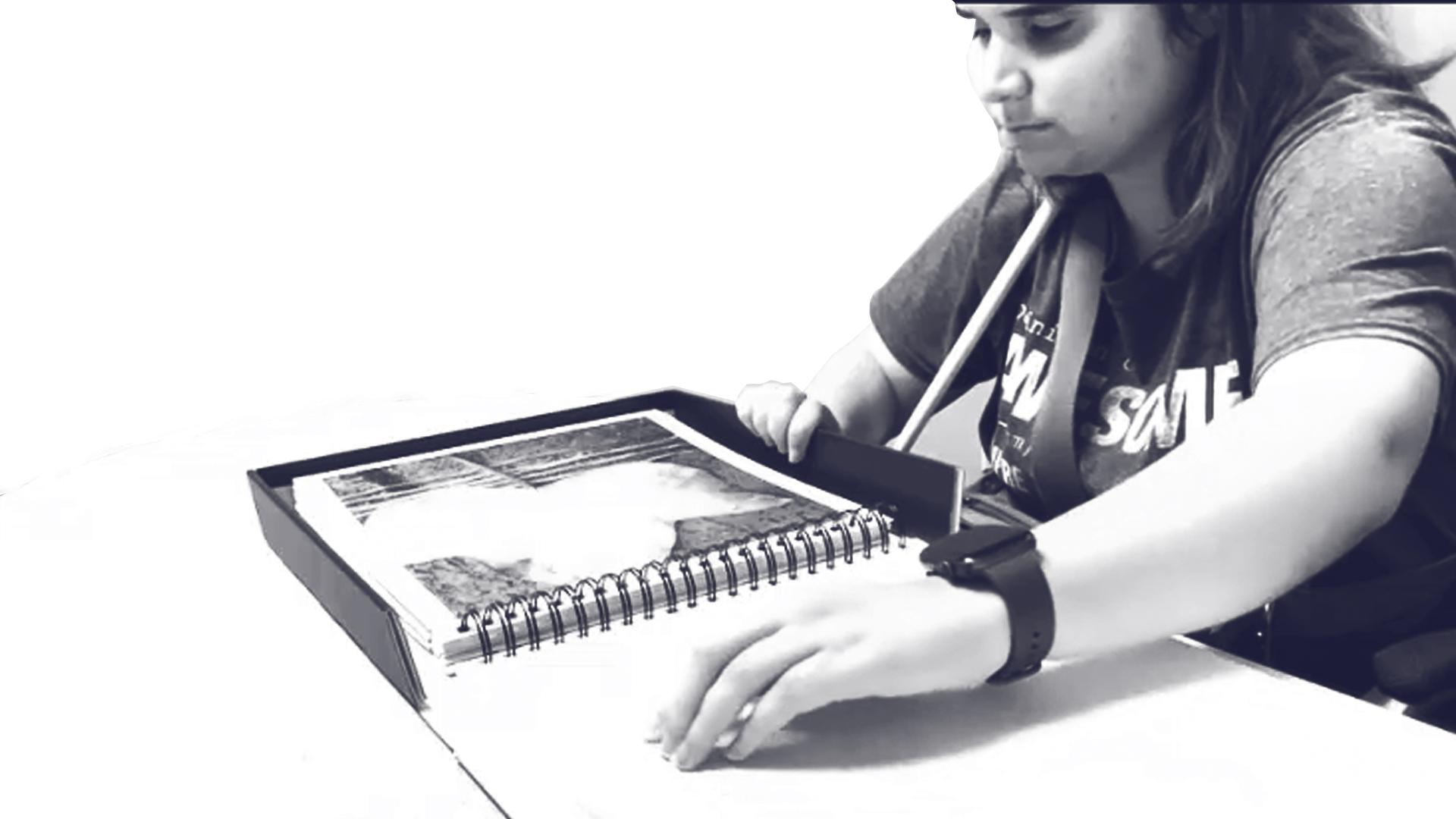
Identifying the Problem
We created this book to offer an accessible art experience because traditional galleries often lack audio descriptions, tactile elements, and clear navigation. With over 43 million people affected by blindness worldwide, there’s an urgent need for art that can be felt, heard, and understood without relying on sight.
Our Challenge
We set out to design a full-color book that anyone could use—regardless of their sight—and one that could be mass-produced for wide distribution. But this goal came with a major obstacle: traditional commercial printing isn’t equipped to produce tactile, accessible materials at scale.
Our goal was simple but ambitious:
Create art that can be felt, read, and imagined—beyond sight alone.– Color to Sound
About the Book
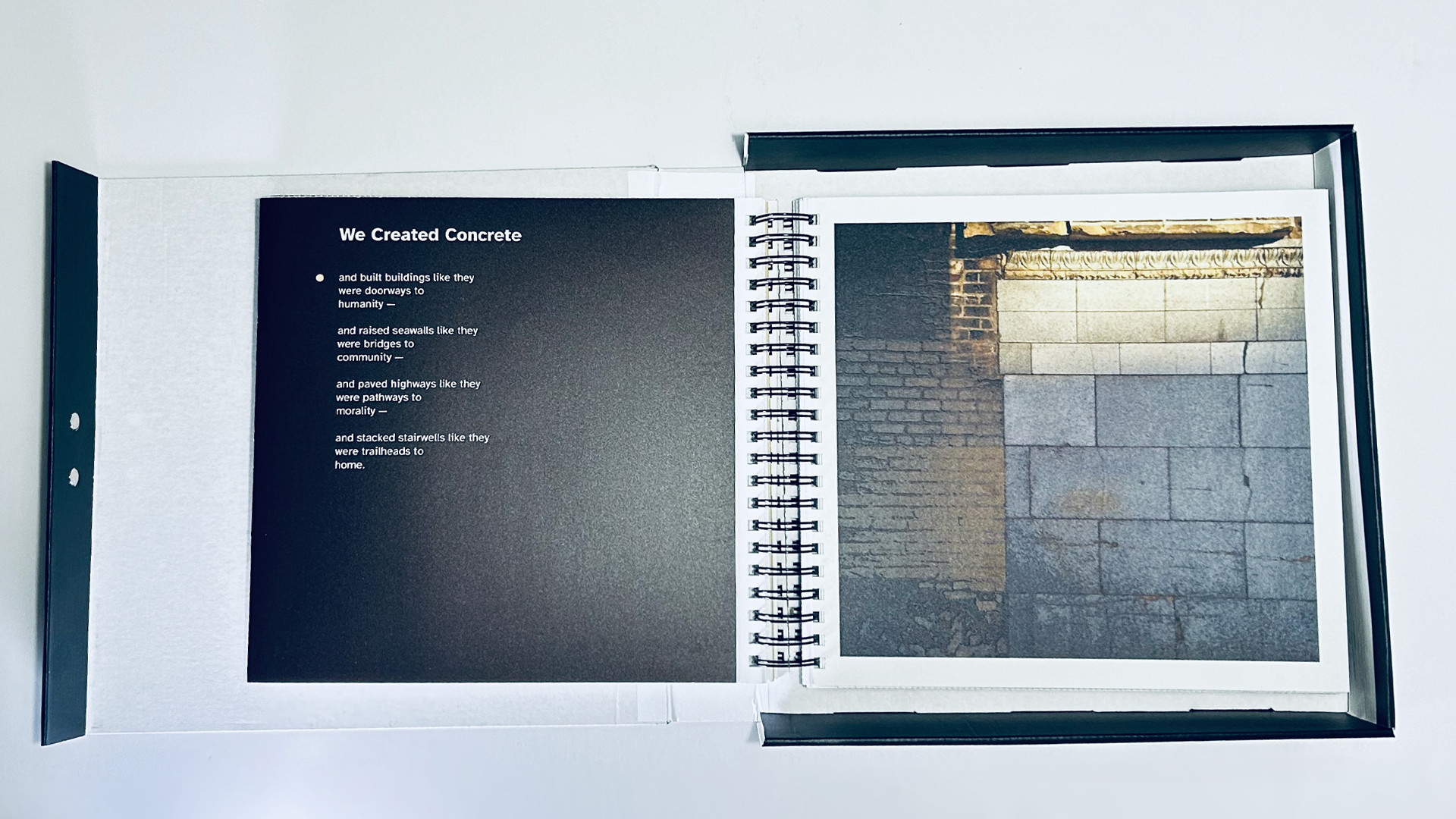
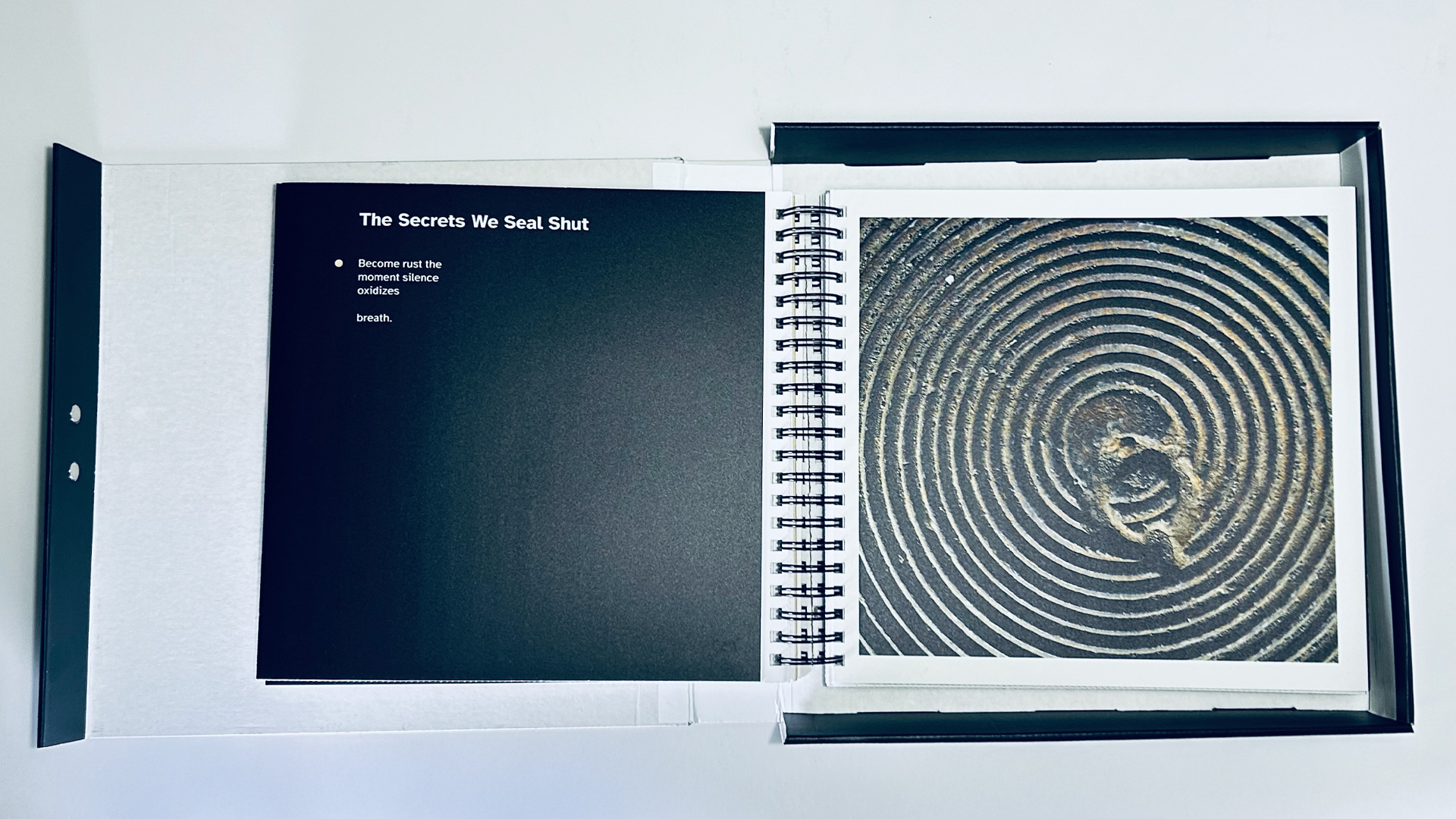
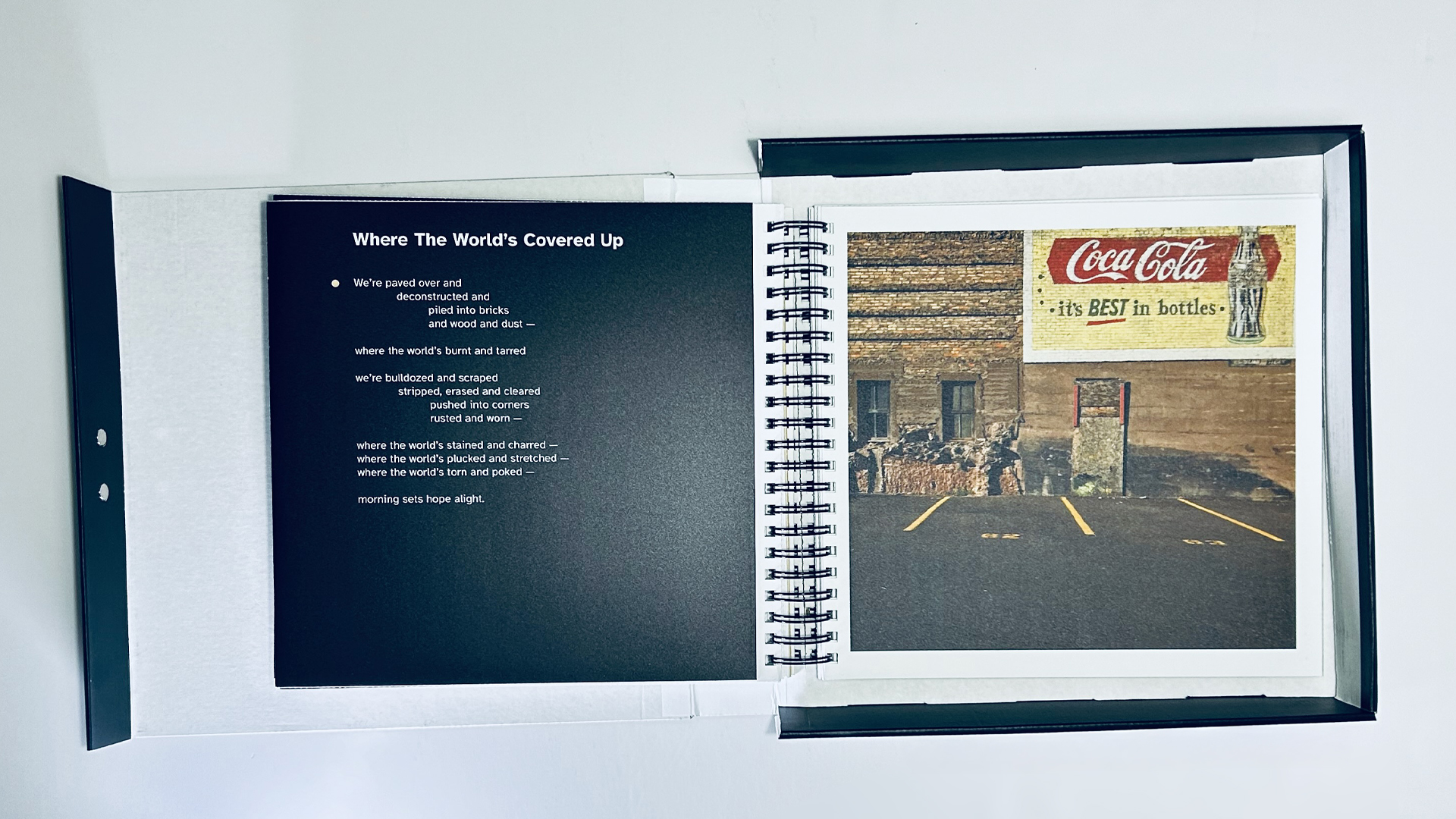
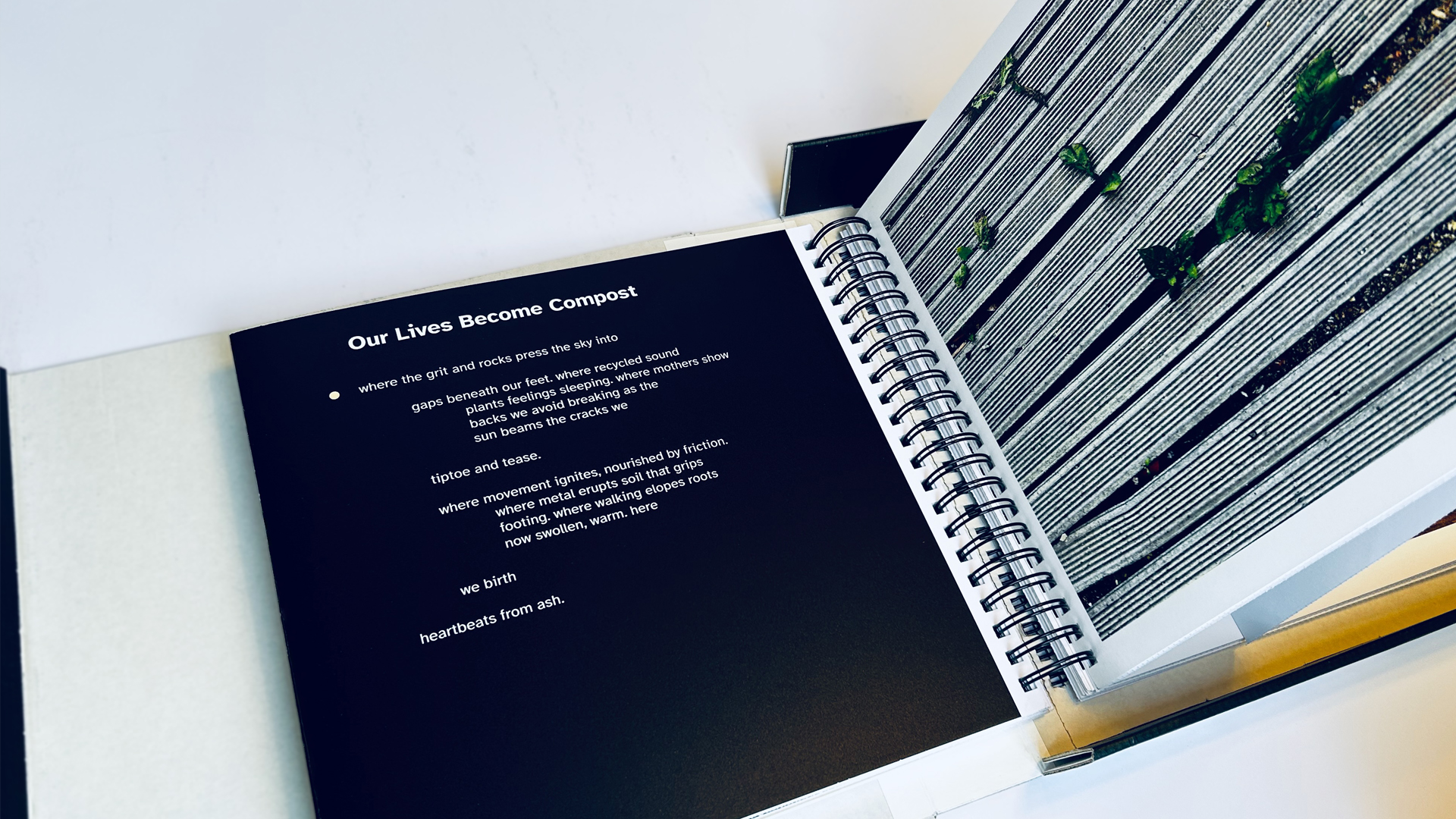
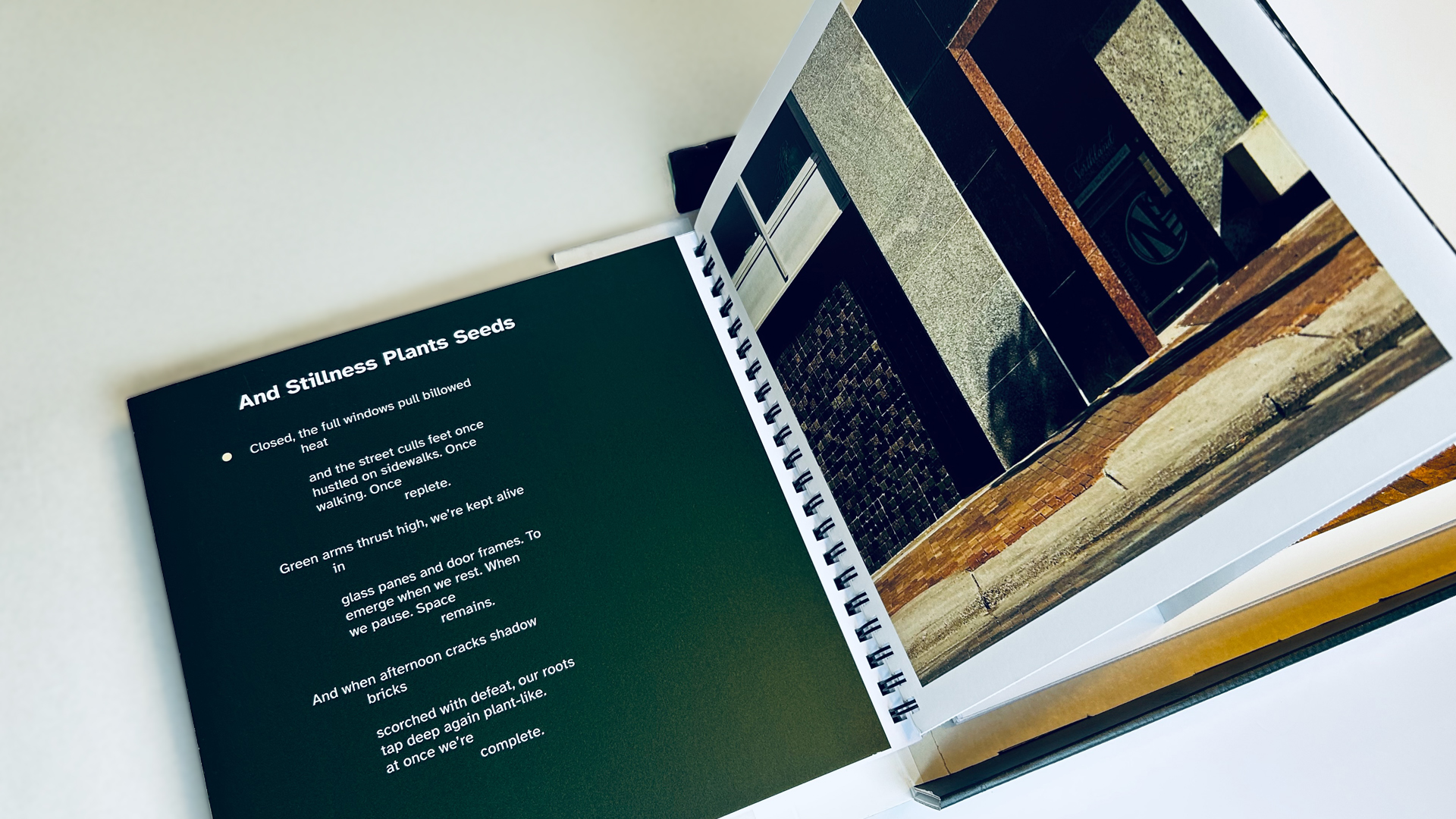
This book presents a series of ten photographs, each paired with a poem that offers an abstract interpretation of the mood and feeling conveyed by the image. While the photographs are printed in full color, they are also made tactile—inviting readers to feel the cracks, contours, and textures embedded in each composition.
Rather than adapting content for blind or low-vision readers, the book is designed from the ground up as a multimodal experience. The poems, tactile imagery, accessible typography, and Braille are all integrated equally, offering a universal approach that works across sighted and non-sighted experiences.
Readers are invited to “see” with their hands, their minds, and their emotions. The combination of poetic language and tactile form creates an immersive way of engaging with the images—one that does not privilege sight, but expands the possibilities of perception.

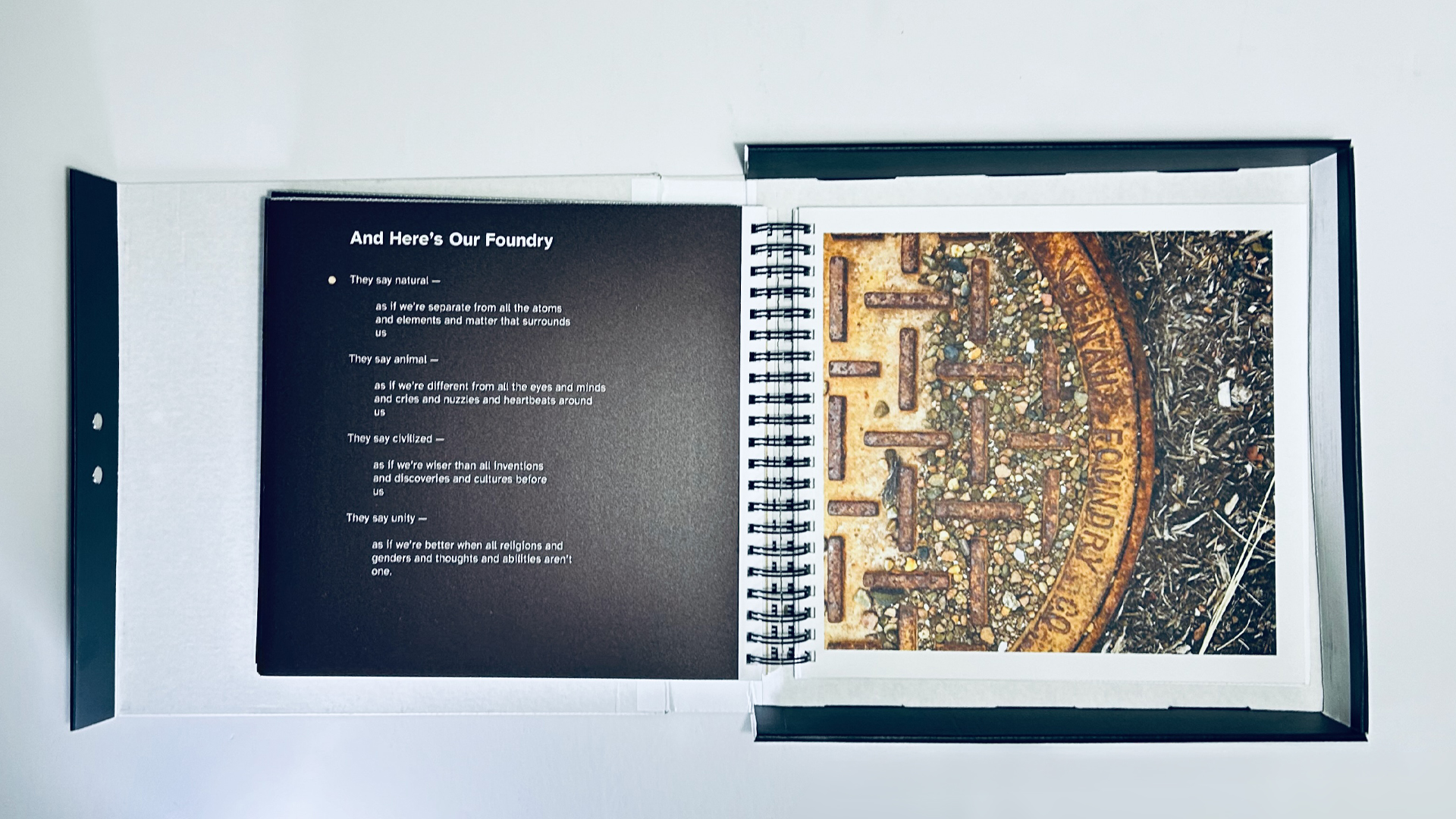
How the Book Unfolds
Each poem and photograph spread opens as a panel, inviting the reader into a layered experience. Inside, the poem is presented in Braille, followed by a written image description that offers another way to engage with the artwork.
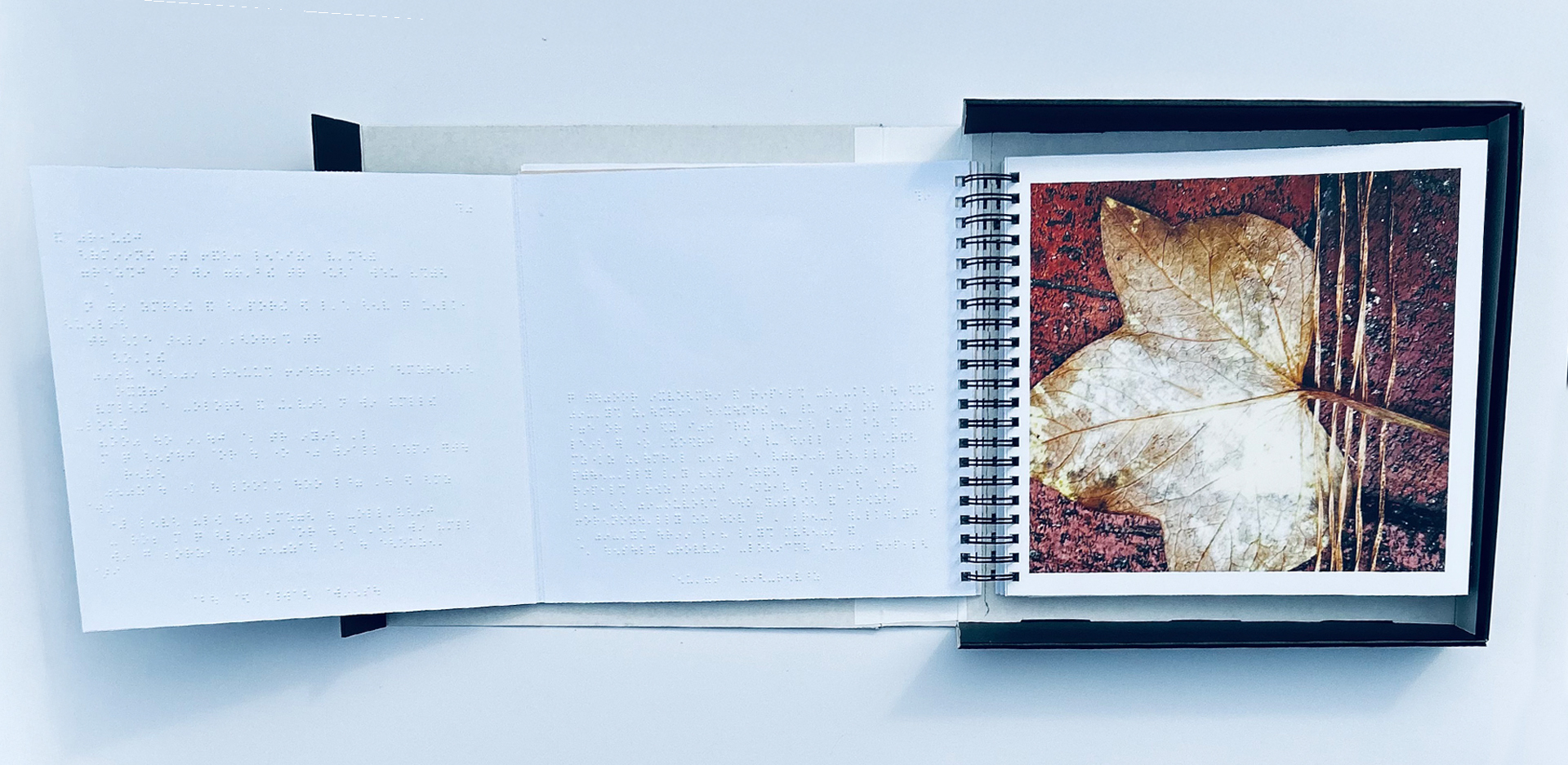
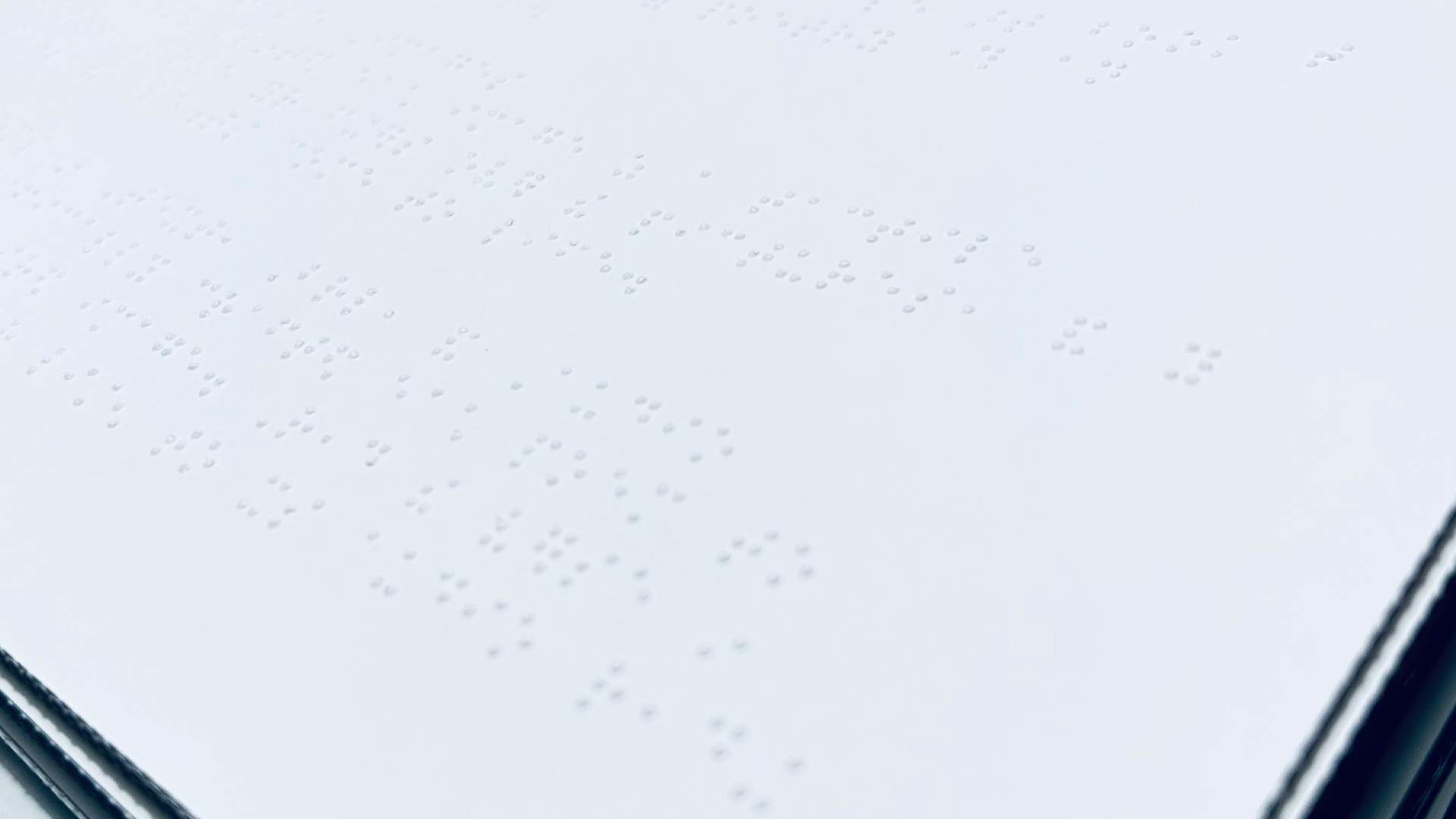
How the Photographs Became Tactile
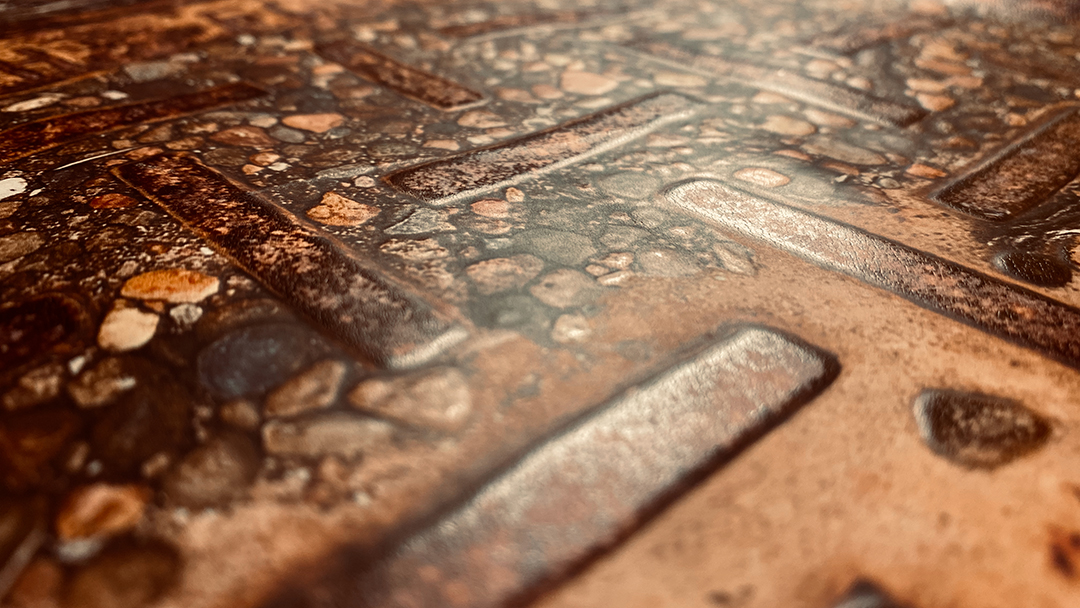
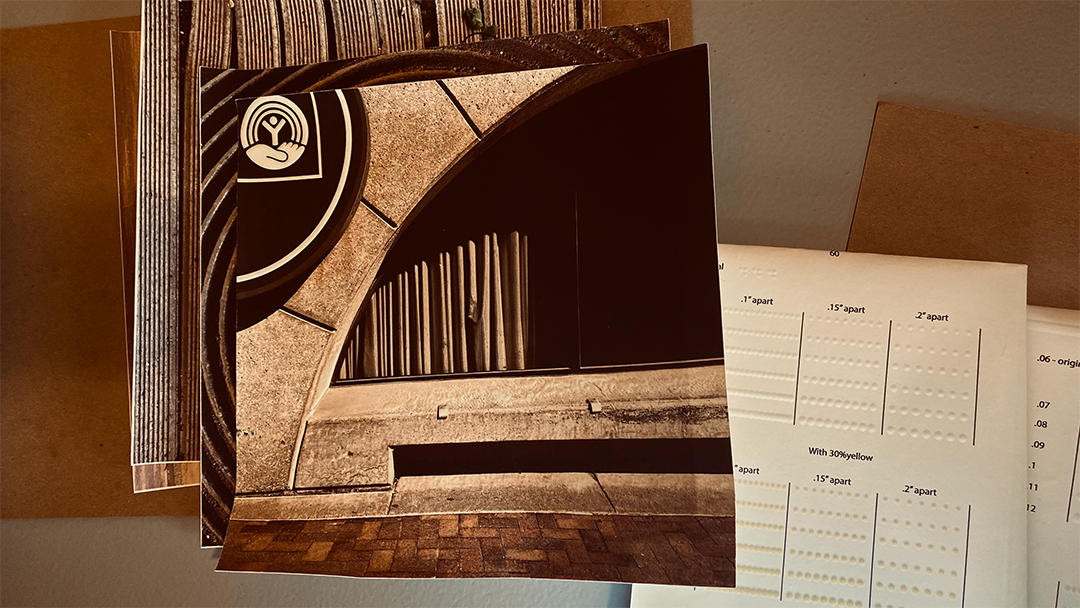
Each photograph was made touchable through transparent layers of clear varnish, carefully applied over the full-color images. Developed in collaboration with Worth Higgins & Associates, this approach moves beyond traditional tactile methods to create a rich, multisensory experience of the image.

Designed for Readability
The book was typeset using the Braille Institute’s Atkinson Hyperlegible typeface to ensure maximum accessibility for readers with low vision. This typeface was specifically designed to enhance character recognition through distinct letterforms and generous spacing, reducing visual ambiguity and supporting easier reading.
Guided by Feedback
User testing began after the first prototype was created, offering valuable insights into how people engaged with the book’s tactile and visual elements. One tester who is blind shared, “I’m happy that my sighted family members and I can read the same book without any adaptations for me.”
Our work on this book is still in progress. Each step brings new challenges, but we continue to learn, adapt, and push forward to make the experience as inclusive and meaningful as possible.
– Color to Sound
What We Learned
Fine details don’t easily translate well to touch with current production methods, while bolder, simplified textures proved more effective. We worked through multiple print proofs to refine the balance between visual impact and tactile clarity. We also had to navigate high production costs, especially for Braille and accessible contrast design.
Where We’re Going
Now, we’re channeling this feedback into a 2.0 prototype that improves tactile clarity, reduces production costs, and expands access. Through our studio, Color to Sound LLC, we’ll continue exploring multisensory storytelling—because we believe inclusive design doesn’t dilute creativity; it deepens it